The Story of Byron Waller, The Wall, The Sky, The World
The wall
The sky
The world
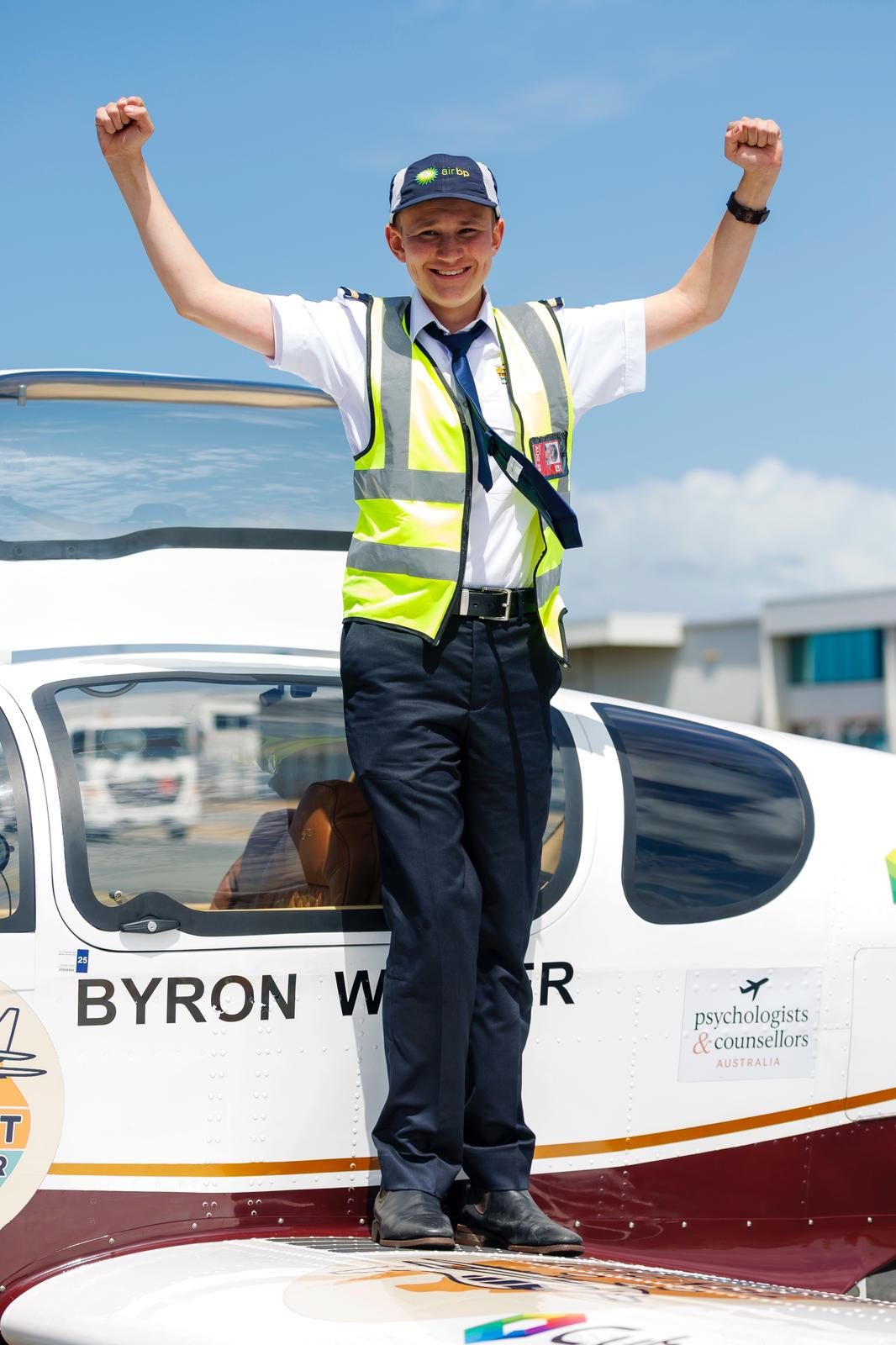
At fifteen, Byron Waller, an Australian teenager living with Crohn's disease, became the youngest person in history to pilot a plane around the world. He did not do it alone. He did it with a rotating crew of instructor pilots, a family that ran Mission Control from a kitchen table in Brisbane, and a quiet stubbornness built up over a decade of hospital nights. This is the full story.
The Wall
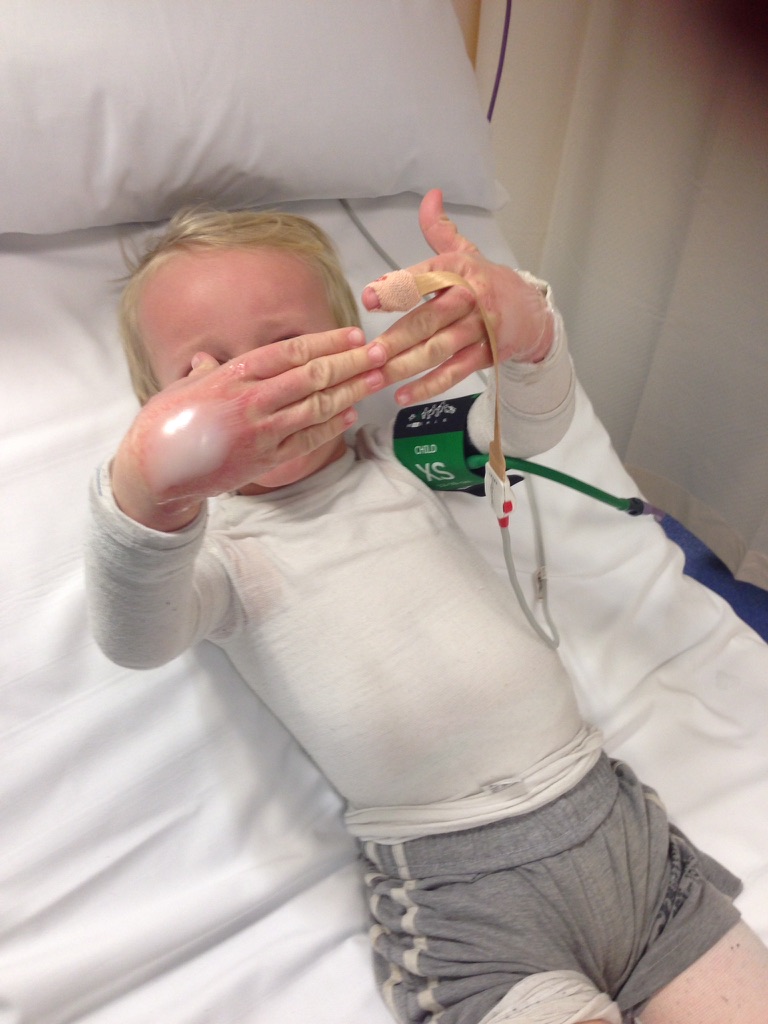
Byron Waller doesn't remember the first time his body failed him, because he was three weeks old. By the time he was old enough to hold real memories, being sick was simply part of his identity. Puffy eyes on school mornings. Rashes that flared until his arms had to be wrapped in wet bandages. A stomach that hurt most days, and the kind of exhaustion most people feel after a long day, which was what he felt after waking up.
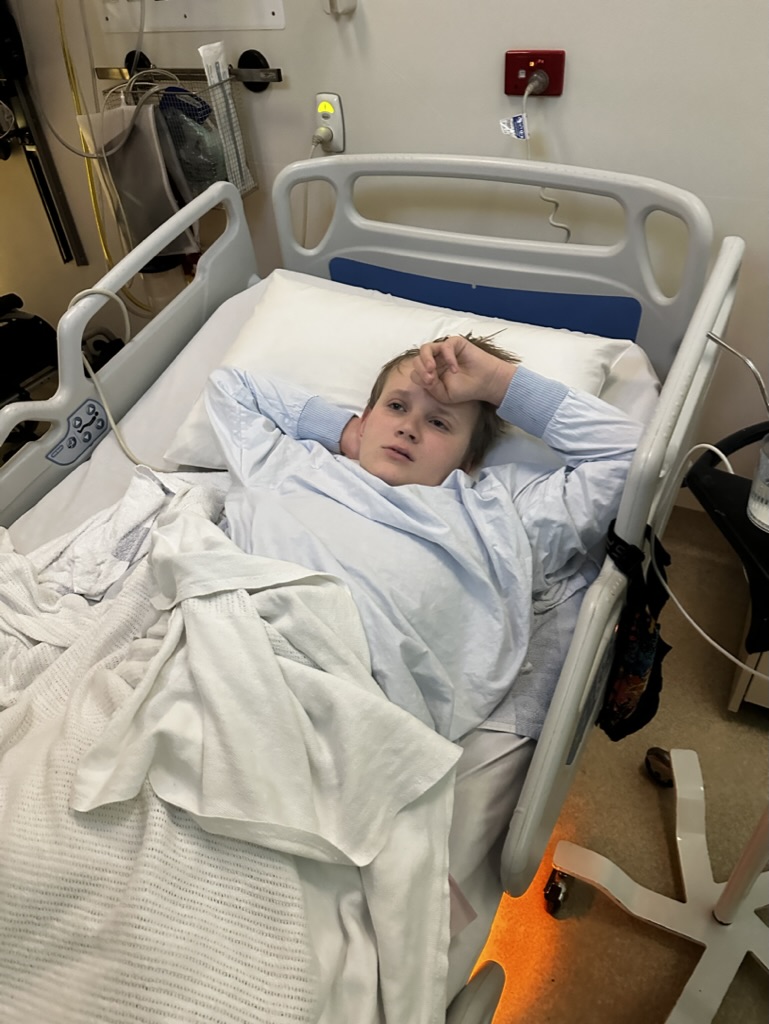
He learned the smell of hospital disinfectant the way most kids learn the smell of their classrooms. He knew the pitch of machines beeping in the night, the squeak of nurses' shoes, the way the hours stretched wider than they did anywhere else. He stared at ceilings and waited for someone to tell him why his body was fighting itself.
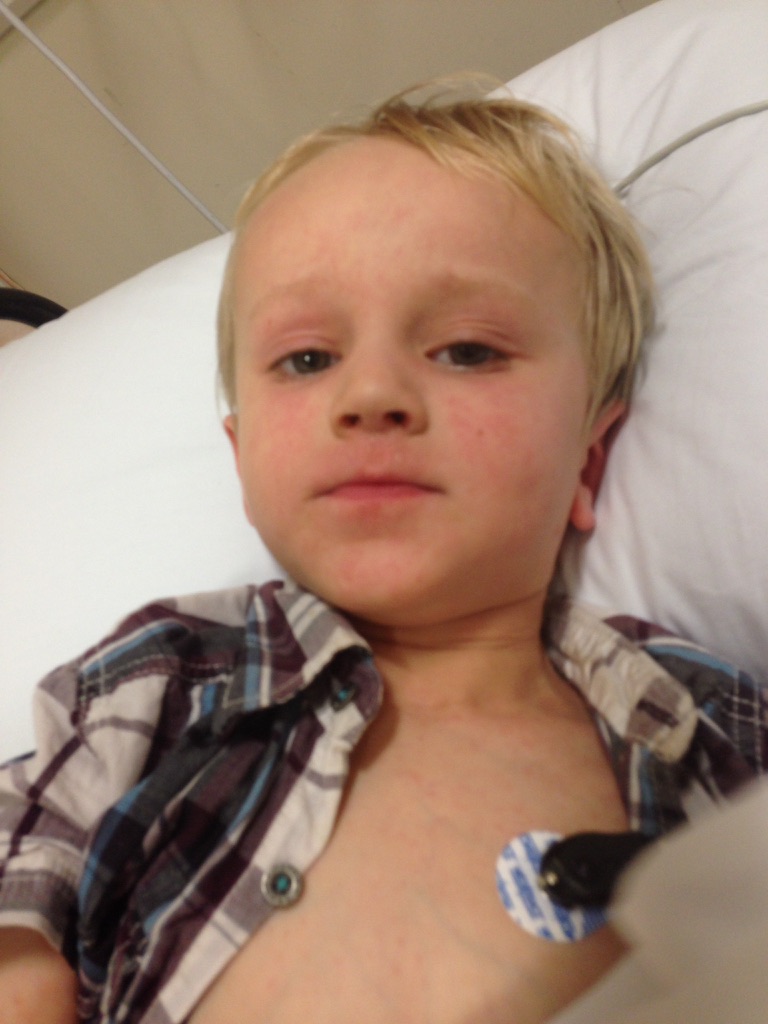
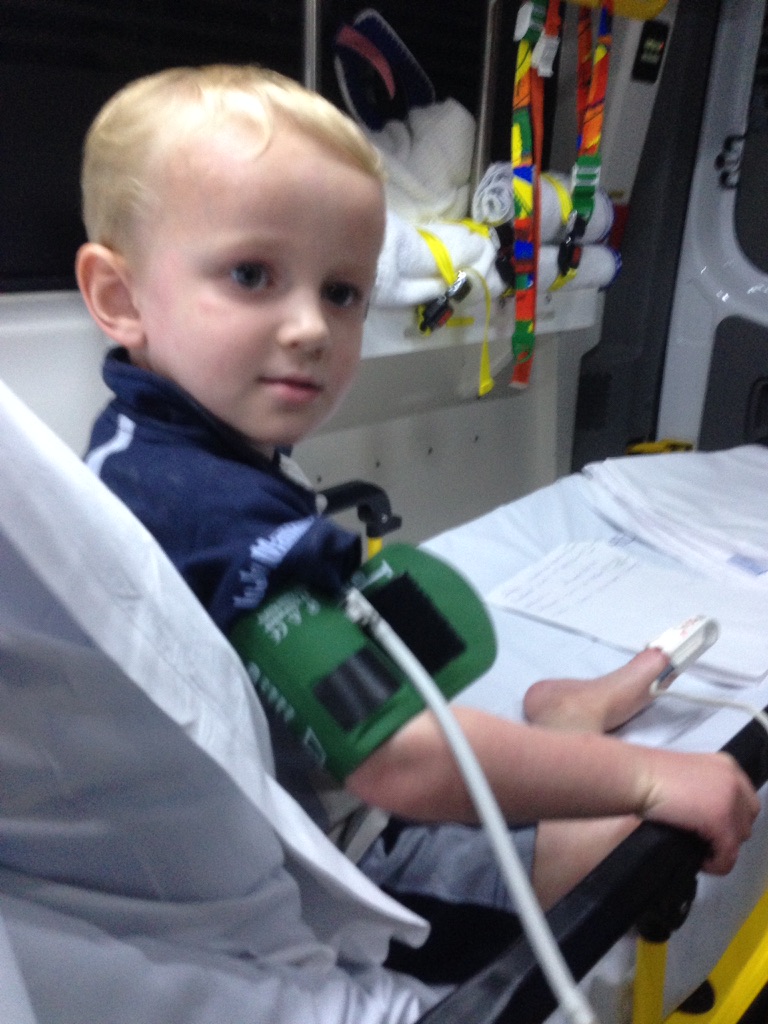
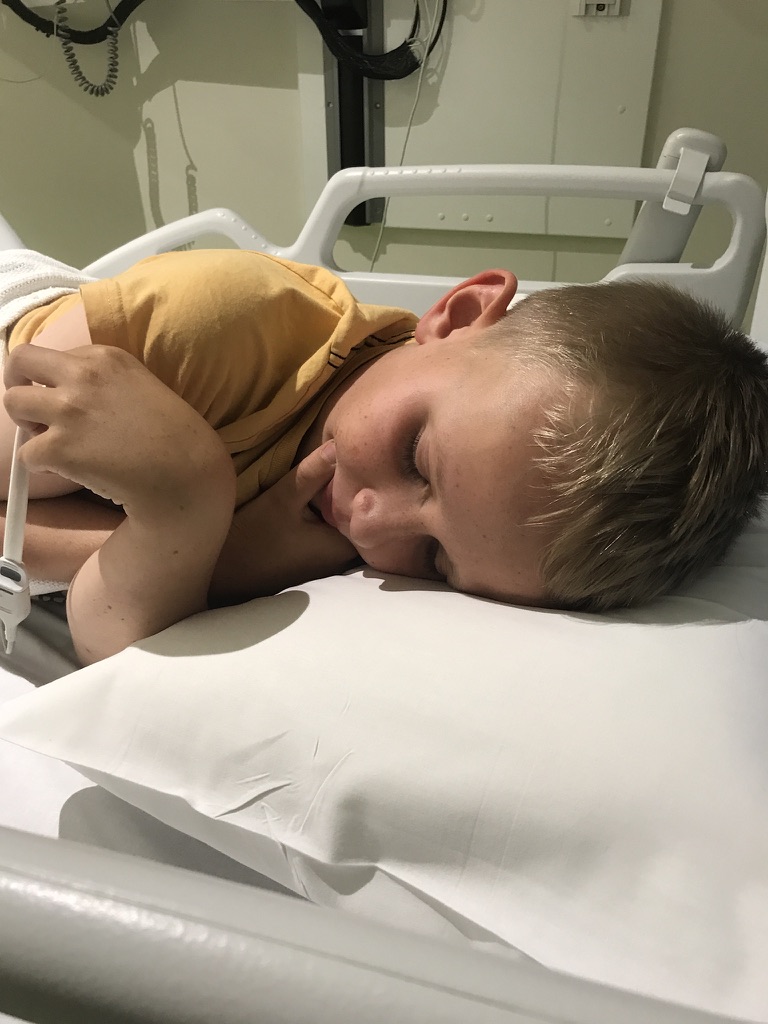
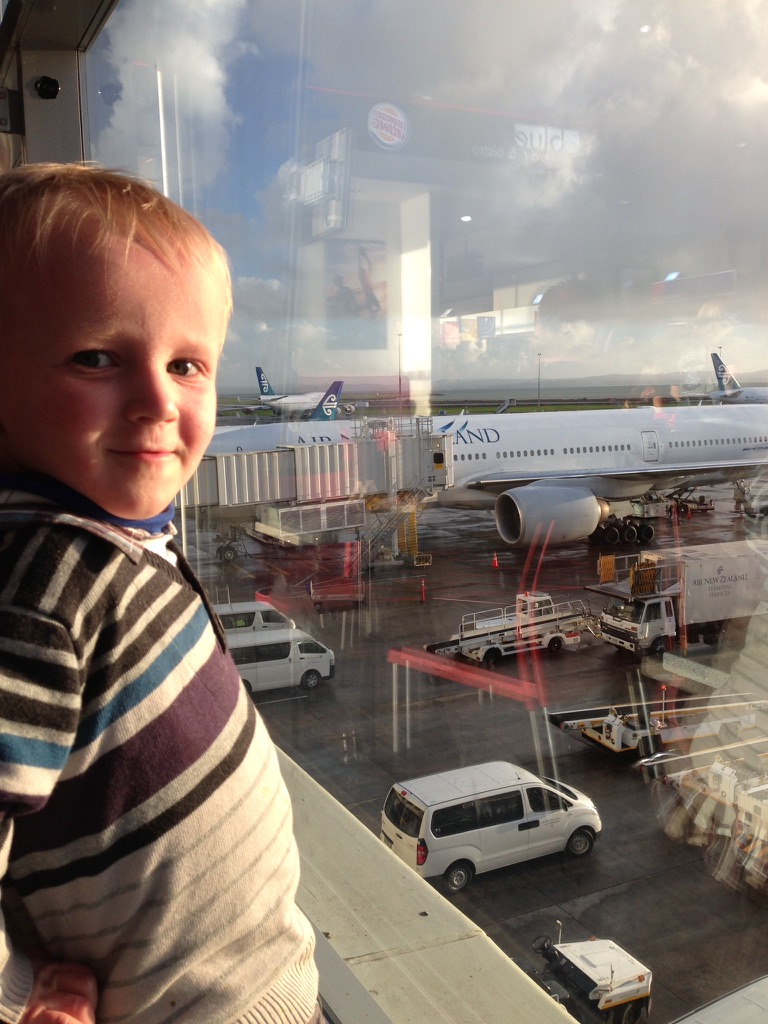
His fourth birthday started in the worst way it could, a medical episode before breakfast, the kind that usually ended the day before it began. It didn't. Hours later, still pale, still wrung out, he asked for one thing: to go up. The footage above is what happened next. A small boy strapped into a small aircraft, grinning at the horizon. Even then, the pattern was already set, the sky was the place the illness couldn't follow him.
The only escape came from above. On long hospital nights he opened Flightradar on his iPad and watched the little yellow icons crawl across the map over Brisbane. A380s thundered overhead, giants lifting effortlessly into the night while he lay anchored to the bed. He didn't know it yet, but those hours taught him something: the world was still moving, even when he couldn't.
"I wasn't fragile anymore. I wasn't a patient. I was a pilot."
His parents had been pushing him for years to find a hobby , something to pull him back into life after so much missed school and sport. They expected art, or chess, or guitar. Instead, at thirteen, after another year in and out of hospital, he picked up the phone, called the flight school, and booked a trial lesson.
That first flight wasn't long. It was enough. When the wheels left the runway the noise of the world below faded and so did the pain. For the first time in his life, Byron felt expansive, capable, free. He wasn't the most naturally gifted student in the school, there were kids who memorised checklists faster, but he had something else: hunger.
At fourteen, the diagnosis finally came: Crohn's disease. A name for something that had shaped his whole childhood. His doctor, Dr Fariha Balouch, sat with him with a calmness he didn't yet know how to have for himself. There was finally a path forward, even if it wasn't an easy one. Flying gave him purpose at a moment when everything else felt uncertain.
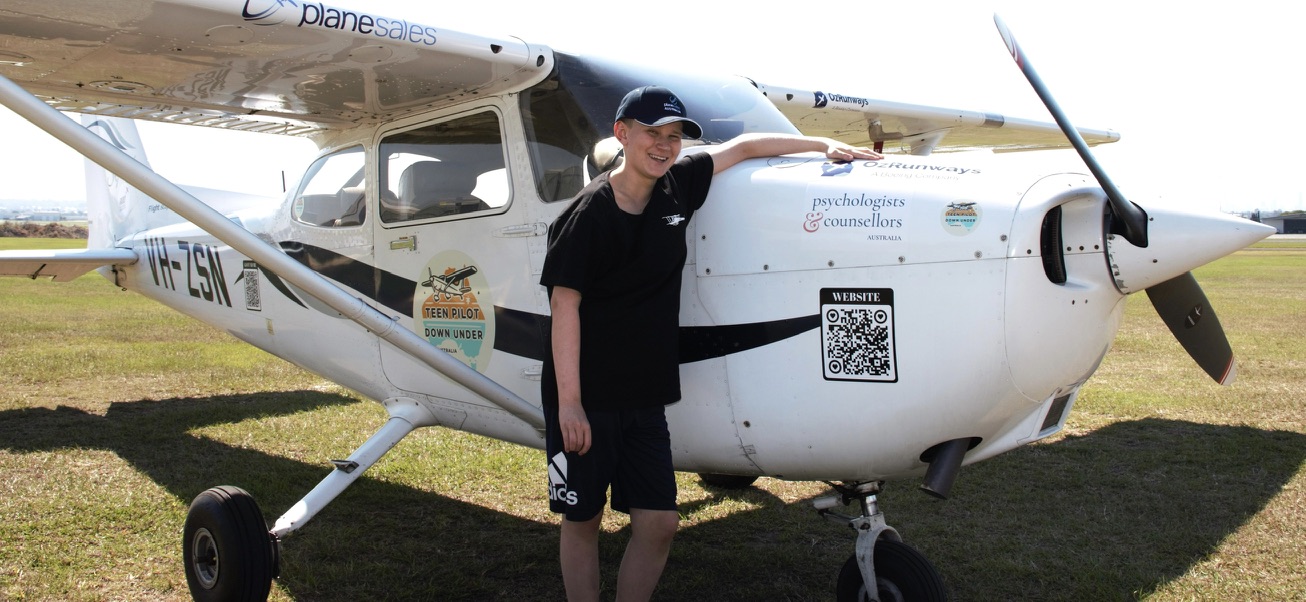
The Australia circumnavigation came next. A fourteen-year-old, a small single-engine aircraft, and a continent the size of Europe. When he landed back at Brisbane the stickers came off the plane and it returned to the flight school fleet. Everyone celebrated. Byron felt proud, and strangely unfinished. The dream hadn't ended. It had expanded.
The Sky
The idea of a world flight started the way all big ideas do, as a small spark. What if. What then. Why not. When Byron announced it for the first time, on live national television outside the Queensland Children's Hospital, the reactions split immediately. Some people believed in him. Many did not. One man yelled at his parents in public for being reckless enough to let their son dream that big.
"Most people told me it was impossible. Too dangerous. Too expensive. Too ambitious. Standing there, hearing him tear into us, I felt something ignite. Not anger. Not rebellion. Determination."
What followed was the unglamorous work of turning an impossible idea into a real mission. Byron and his family mapped a route around the globe, 44,531 kilometres across 19 countries and five continents, broken into 39 legs. They built a medical management plan that treated Crohn's disease as a system variable rather than a disqualification. They sat through DFAT geopolitical briefings, stitched together aviation clearances across multiple jurisdictions, and assembled a rotating team of instructor pilots so that Byron would never fly an ocean alone. His father built the strategic frame. His mother became the operational engine of Mission Control, coordinating logistics, media, and communications across every time zone the route touched.
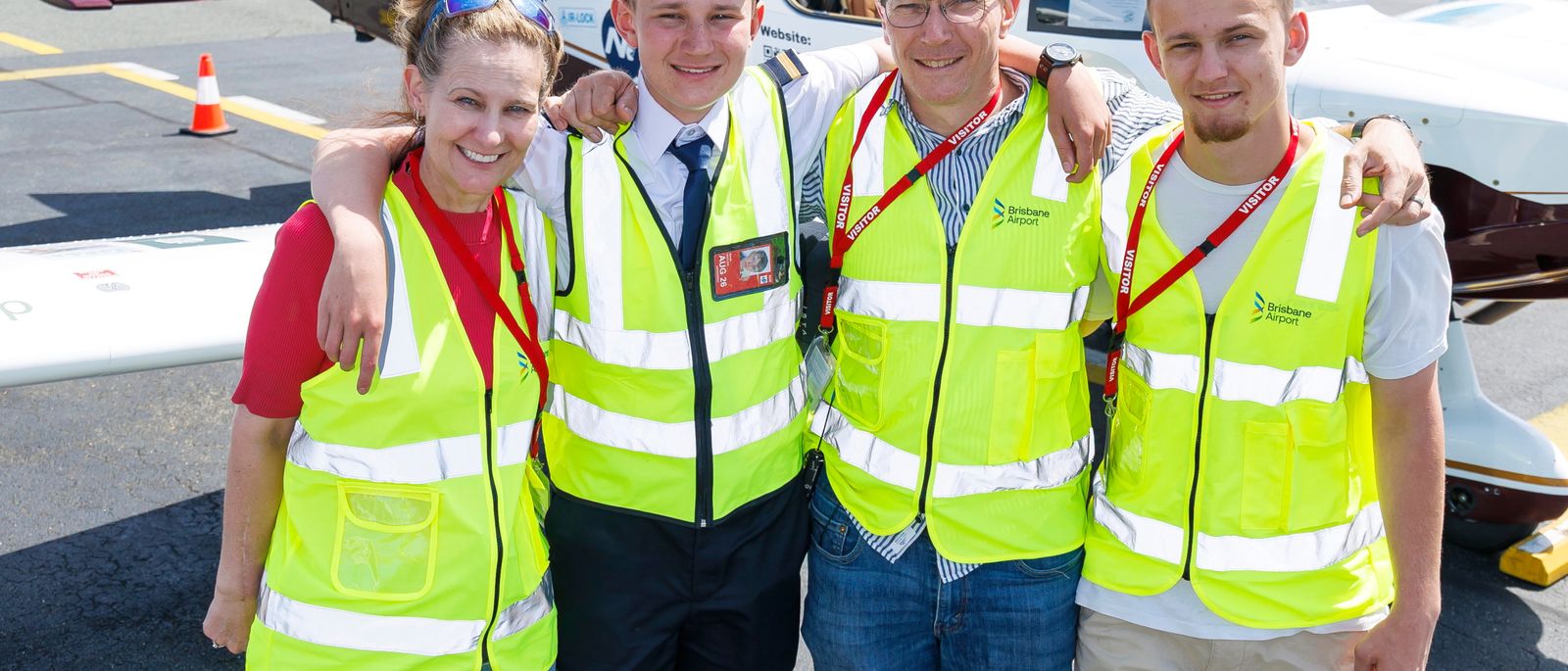
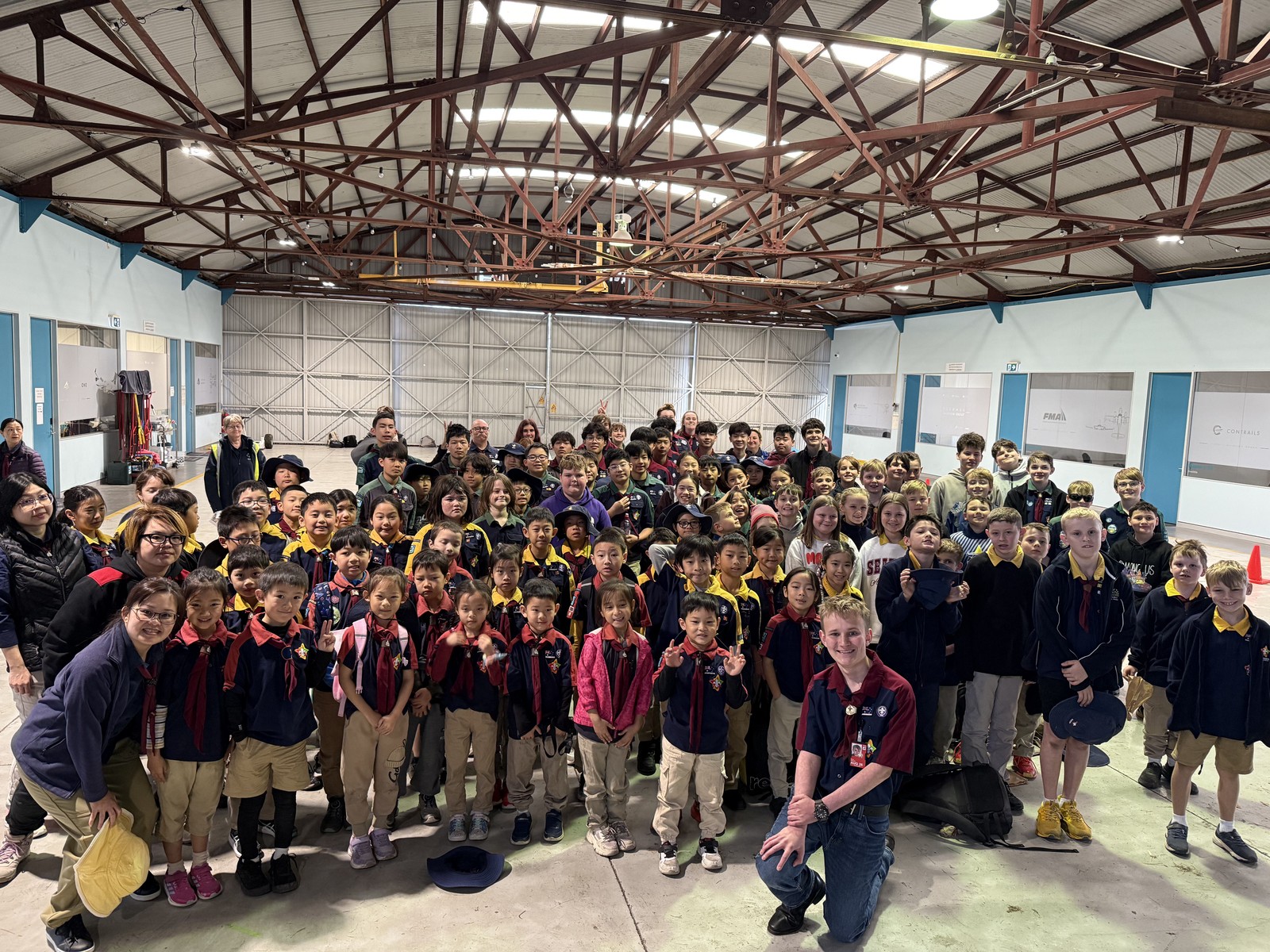
On 9 August 2025, the Sling TSi VH-ZMD lifted off the runway at Brisbane and turned west. The Indian Ocean came first , a mentally brutal stretch of open water with no margin for error. Then Asia, the Middle East, the heat radiating off ramps in cities most teenagers can only find on a map. In Europe he reconnected with family roots in Scotland before pushing north to Iceland, where cold-weather flying and accumulated fatigue tested everything he thought he knew about himself.
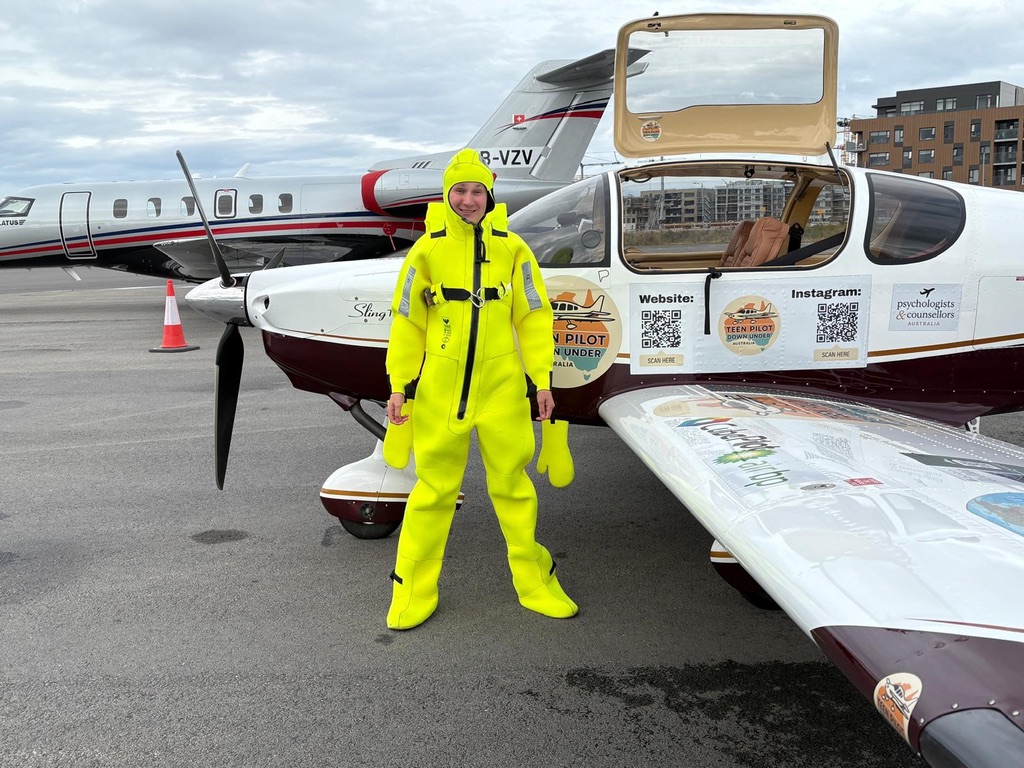
The transatlantic crossing was the most psychologically intense leg of the mission. Hours of open water. Ice warnings on the panel. Constant vigilance. North America brought the surreal whiplash of celebrity treatment at the Pacific Airshow and the grinding exhaustion of an accelerated schedule.
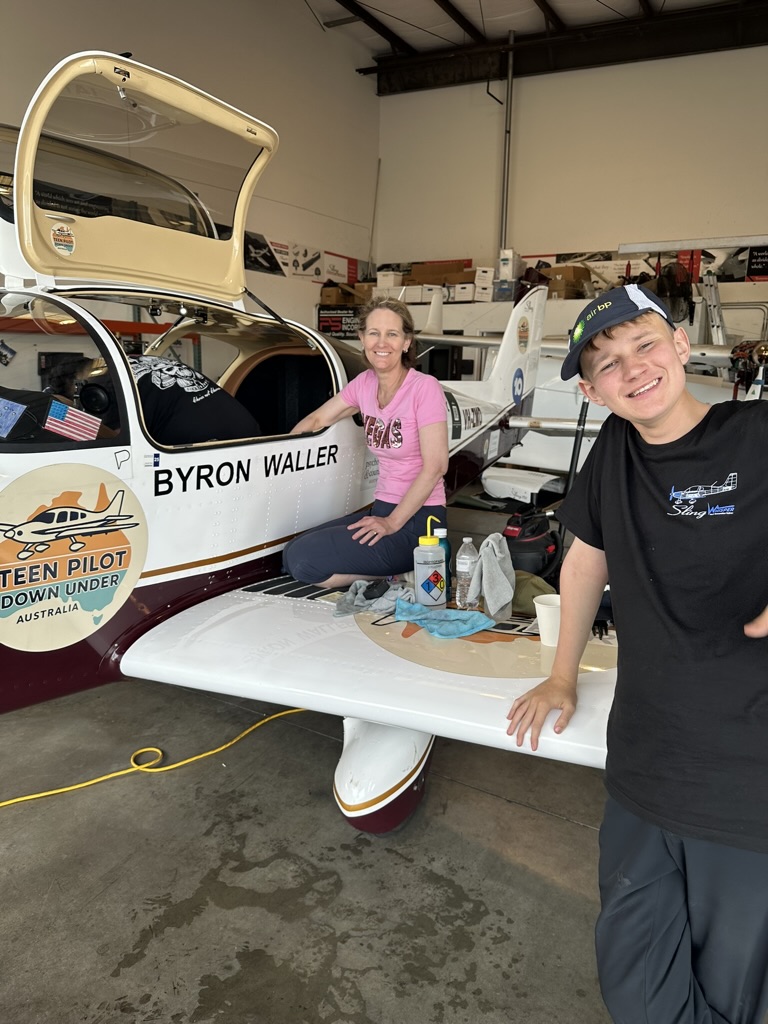
The final stretch, Hawaii back to Fiji and home across the South Pacific, was the most physically demanding of all: extreme humidity, long cockpit hours, and a body feeling the cumulative toll of two months in the air.
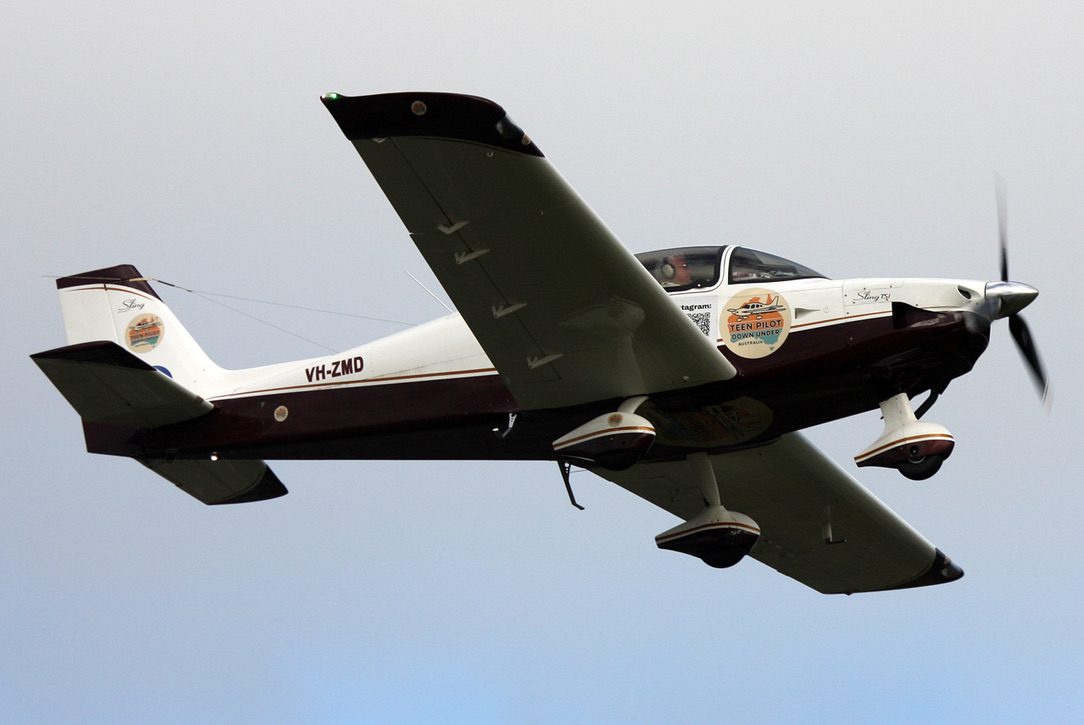
On 15 October 2025, Byron Waller landed at Brisbane , 67 days and 24,045 nautical miles after he left. He was the youngest person in history to pilot a plane around the world. The day after landing, he was back in the chair for his next scheduled Crohn's treatment. The team had built every contingency around that single medical date. The margin held.
"I didn't do this alone. Nobody flies a plane around the world alone. I had crew in the right seat, family on the radios, doctors on standby, and sponsors who said yes when most people said no."
The World
The record is the headline. It is not the point. The point is what Byron decided to do with it. Out of the world flight came the Teen Pilot Foundation, a national Australian charity being established as a Public Benevolent Institution with ACNC registration and DGR Item 1 endorsement. Its mission is plainly stated:
"To relieve disadvantage in young Australians through aviation, STEM, adventure and leadership experiences that build capability, resilience, social participation and vocational aspiration , creating a lived-experience mentor pipeline that sustains impact across generations."
The Foundation works directly with young Australians aged 13 to 25 whose development has been disrupted by serious illness, disability, mental health difficulty, financial hardship or other genuine disadvantage. Five integrated program streams. No grant-making. Every dollar reaches a participant.
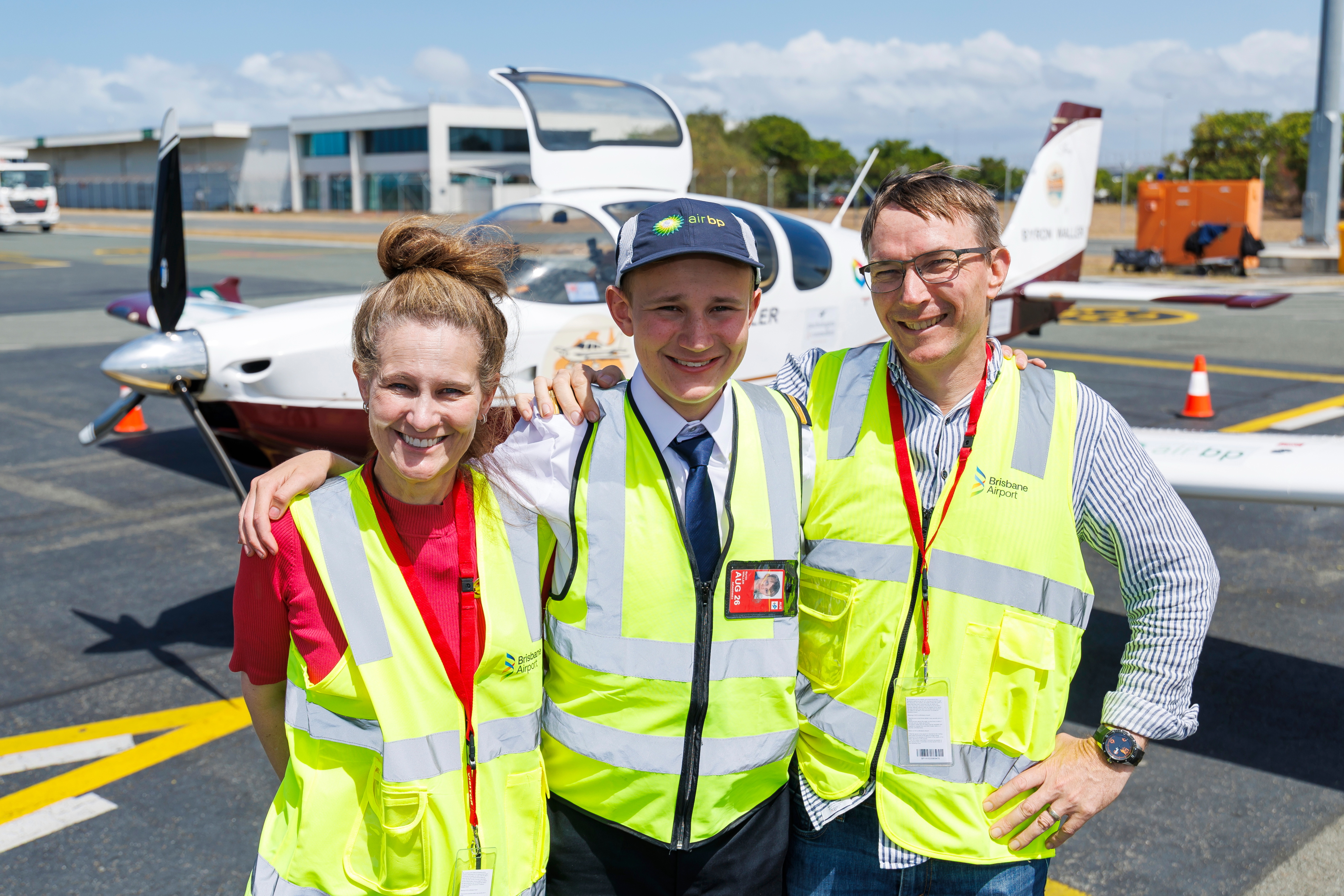
Byron is still a teenager. He still has Crohn's. He still has infusions. He still has the same quiet, stubborn resilience that built up over a decade of hospital nights, the kind that forms not because you chose it but because you ran out of other options. He speaks to schools, to corporate audiences, to other teenagers whose bodies or circumstances have told them no. He has one message, and it is not about bravery.
"You don't have to be fearless to move forward. You just have to be willing."
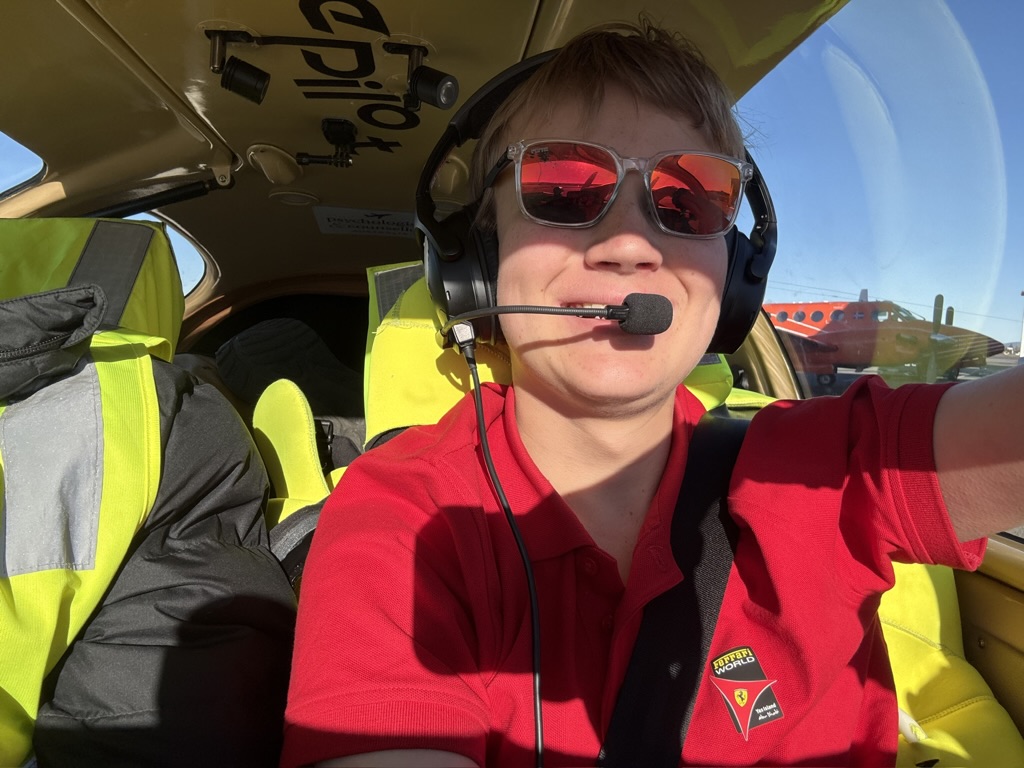
The next chapter is not another circumnavigation, it is the Teen Pilot Tour: a series of flights into communities across Australia and the United States, landing Byron and the Foundation team in hospitals, schools and regional airfields to put the cockpit, the story, and the pathway in front of the young people who need it most.
The mission that started as a small spark in a hospital ward in Brisbane has, without ever intending to, become a movement. Patient. Pilot. Purpose.
Read the story
Patient to Pilot
A gripping coming-of-age account of adventure, resilience and self-discovery set against the rugged beauty of Australia. Follow a young aspiring pilot through training, unexpected obstacles, and the thrill of flight. An authentic Australian story for teens, young adults and anyone who has been told no.
Order on Amazon →The World Flight
Byron's second book is in the final stages of writing: the inside story of the 67-day, 39-leg, 44,531 km circumnavigation that made him the youngest person in history to pilot a plane around the world. Headwinds, weather, breakdowns, kindness from strangers, and the cockpit decisions that brought the Sling TSi home.
Reserve a first copy →Stand on the runway
with the Foundation.
The Teen Pilot Tour across Australia and the United States is being mapped now, flights, school visits, hospital landings, and the build-out of the Teen Pilot Foundation. Title, presenting and supporting partner slots are open.